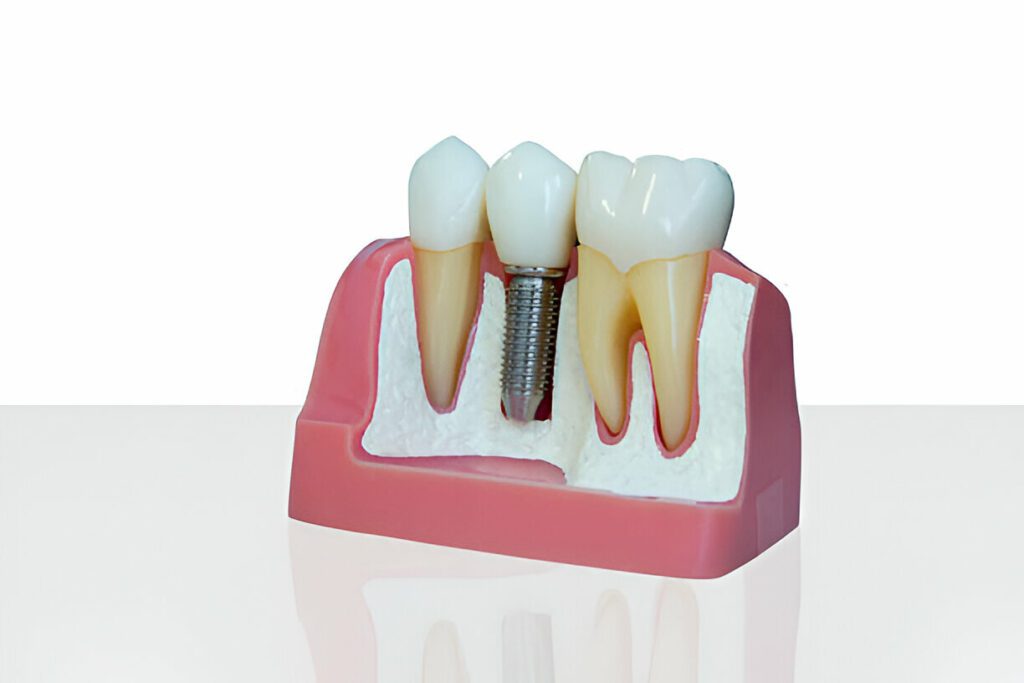
Dental implants are a popular solution for replacing missing teeth, providing a durable and aesthetic option. However, like natural teeth, they require proper care — especially concerning the gums. One question that often arises is whether dental implants and gum recession are connected, and whether you can lose gum tissue around dental implants.
Understanding Gum Recession Around Dental Implants
Gum recession around dental implant sites refers to the process where gum tissue pulls away from the surrounding area, exposing more of the tooth structure or the base of the implant. Implant gum recession can impact both natural teeth and dental implants — and understanding it is key to protecting your long-term oral health.
Causes of Gum Recession
Several factors contribute to gum receding around implant sites and natural teeth:
- Genetic Predisposition — Some people are more susceptible to receding gums around implant areas due to their genetic makeup
- Poor Oral Hygiene — Inadequate brushing and flossing leads to plaque buildup, which initiates gum recession
- Aggressive Oral Care — Brushing too hard or using a hard-bristled toothbrush damages gum tissue
- Periodontal Disease — A major cause of gum recession around implant sites, as infections destroy gum tissue and supporting bone
- Physical Trauma — Injury from dental procedures or accidents can lead to recession
- Misaligned Implants — This explains why do gums recede around implant placements that are poorly positioned — incorrect alignment puts excessive stress on surrounding gum and bone tissue
Can You Have Dental Implants With Receding Gums?
Can you have dental implants with receding gums? Yes — in many cases, patients with some degree of gum recession can still receive implants. However, the extent of recession and any underlying bone loss will need to be assessed first. In some cases, soft tissue or bone grafting may be required before implant placement to ensure a stable, healthy foundation. Your implant dentist will evaluate your gum health thoroughly during the initial consultation.
What Happens When a Tooth Is Below the Gum Line?
Tooth below gum line situations — where decay, fracture, or recession has left a tooth’s root exposed or the remaining structure hidden beneath the gumline — can complicate implant placement. In these cases, extraction followed by a healing period and possible bone grafting is typically required before an implant can be successfully placed. Your dentist will assess whether preparatory procedures are needed.
Impact on Dental Implants
Dental implants gum recession can expose the implant structure, making it more susceptible to bacterial buildup and infection — which can ultimately lead to implant failure. Beyond the clinical risks, implant gum recession also affects the aesthetic appearance of the restoration, making implants look longer or unnatural over time.
Managing and Preventing Gum Recession
Prevention Tips
- Use a soft-bristled toothbrush and gentle brushing techniques to protect gum tissue
- Attend regular dental check-ups to catch early signs of gum receding around implant sites
- Ensure implants are correctly positioned by a qualified implant dentist to minimise recession risk
- Quit smoking — a significant risk factor for gum disease and subsequent gum recession around dental implant areas
Treatment Options
- Soft Tissue Grafts — Used to rebuild receding gums around implant sites where recession has already occurred
- Bone Grafts — If bone loss accompanies recession, bone grafts may be necessary before or alongside soft tissue grafts
Conclusion
Yes, you can lose gum tissue around dental implants — much like with natural teeth. Understanding the causes and taking preventative measures significantly mitigates this risk. Regular dental visits and good oral hygiene are crucial for the longevity of both your implants and natural teeth. If you notice signs of implant gum recession, consult your dentist promptly to discuss appropriate treatment options.
Frequently Asked Questions
Can gum recession around dental implants be reversed?
Gum recession is not reversible, but treatments like gum grafts can restore tissue and protect the implant from further damage.
What are the first signs of gum recession around implants?
Early signs of gum recession around implant sites include sensitivity, visible implant bases, or teeth that appear longer than usual.
Can you have dental implants with receding gums?
Yes — in many cases implants are still possible, though preparatory treatment may be required depending on the severity of recession.
Do dental implants cause gum recession?
Implants themselves do not cause recession — but factors like poor placement or inadequate oral care contribute to dental implants gum recession over time.
How quickly does gum recession progress around implants?
The rate varies widely, influenced by oral hygiene, genetic factors, and overall dental care standards.